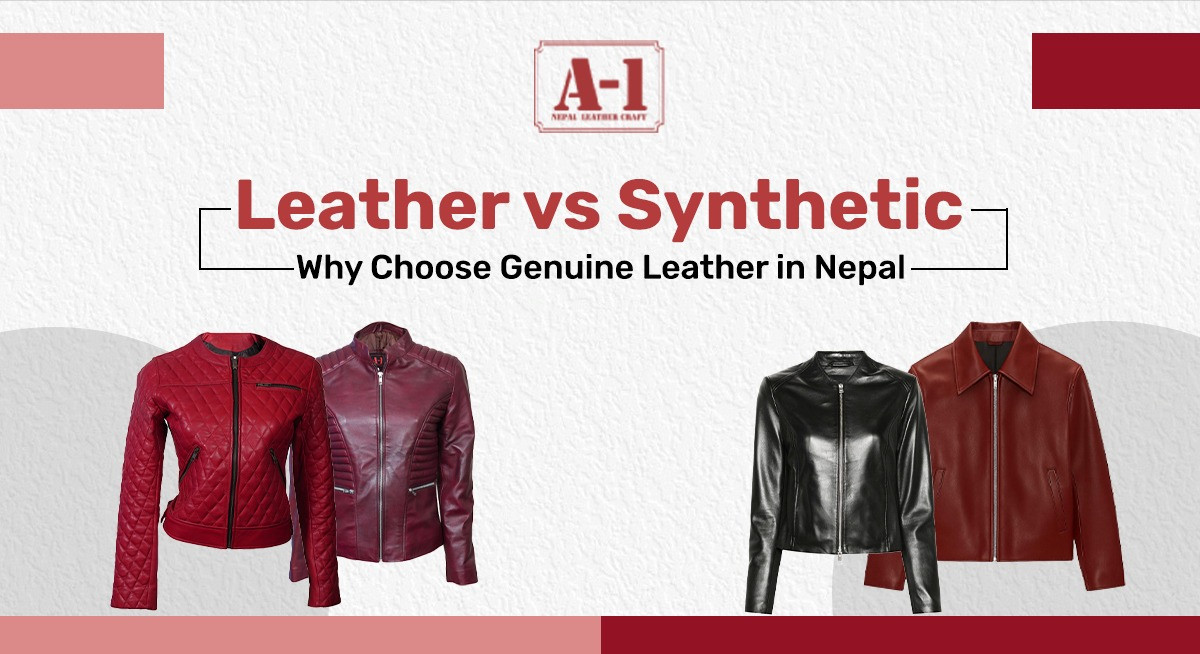
The very interesting example in the leather sector of Nepal is about continuity and change. Previously, sheep leather was traditionally tanned, but today it has turned into a designer-oriented industry that makes jackets, bags, shoes, and accessories. This advancement demonstrates that the indigeneousness of the Nepalese, who can adapt to modern design, while preserving centuries-old traditions.
Today, indeed, the leather industry in Nepal synthesizes heritage and modernity. From the tradition of the sarki community, which has long been a heritage of traditional cobblers and leather tanners, to relatively new workshops that incorporate sustainability and innovation in processing Nepali leather, continues to reinvent itself, adapting to inheritance fashion trends. This innovation story not only tells of the economic improvement of the industry, but it also identifies the uniqueness of Nepali leather characteristics in the global marketplace.
Unlocking Leather History in Nepal
Ancient Traditions and Sarki Community
Leather use in Nepal can be traced back to rural agrarian and pastoral settlements, where the skins were processed and used for making and providing necessary products like shoes, bags, belts, harnesses, and other useful items.
The main practice belongs to the sarki community-these are the traditional cobblers and leather tanners and their main importance is weaving the art of leather-from historical times onwards; focusing mainly on locally available resources but especially goat and sheep hides, then used natural tanning methods-from plant extracts, oil, and manual processing; orally passed from generation to generation for durability and suiting the functionality designed to go along with the geography and climate of Nepal.
The late 19th century was the period when the leather industry of Nepal started changing. Opened trade routes, foreign market exposure, and early industrial influences have brought in new tools, new tanning processes, and new aesthetic sensibilities. The major bulk of these change events fell upon sarki skills, where all the approaches of such blending occurred, merging tradition in the folds of modern external design and production influences. Historical trade records and craft studies reveal how leather articles evolved from functional objects into finer ones for the market, thus forming the basis for today's leather industry in Nepal.
Sheep Leather: The Traditional Backbone of Nepali Craftsmanship
Why Sheep Leather Matters in Nepal
Sheep have always served as an important backbone in leather manufacturing for a long time in the history of Nepal. Sheep leather has become very famous due to its softness, flexibility, and light weight, thus best for:
- Wallets and other small accessories
- Gloves and Pouches
- Soft bags and handmade products
Unlike other heavier hides, it has a better adaptability for doing intricate hand stitching and embossing, for which Nepali artisans have earned a reputation all over the world.
Traditional Methods and Craftsmanship
Most of the leather artisans in Nepal used to rely on traditional practices of vegetable tanning, which used the application of tree barks, leaves, and oils. These methods were created:
- Breathable and skin-friendly leathers
- Reduced chemical usage
- Different textures with patterns of aging for every object
These methods tended to be much slower than the modern methods of tanneries, but at a glance, they hold an intrinsic longevity, uniqueness, and are often valued by conscious consumers.
The Evolution: Transformation from the 19th Century to the Modern Period
Industrial Change: From Craft to Modern Production
The late 19th century marks a change in the leather industry of Nepal from traditional craftsmanship to early industrial methods. The introduction of small factories and processing units brought faster tanning methods and machinery to improve efficiency and consistency of products, while the artisanship of the sarki community continues to mold high-quality leather into goods. This balance permitted modernizing Nepal without losing its heritage.
Key changes:
- Chrome and semi-vegetable tanning methods
- Cutting and finishing machines
- Standardization of leather quality for export
- Extensions into shoes, handbags, and jackets
Scaling and consistency improvement became a part of this change, which made it possible for Nepali products to be marketed internationally.
Incorporation of New Technologies
Modern Leather workshops in Nepal today incorporate:
- CAD-based pattern making
- Precision cutting tools
- Eco-conscious dyeing and finishing techniques
The Federation of Handicraft Associations of Nepal (FHAN) and Trade and Export Promotion Centre (TEPC) organizations brought professional training and export readiness to the artisans, who are now able to change with the times without losing their cultural identity.
Sheep Leather: The Foundation of Nepal’s Grandeur
The beauty of sheep leather is its unique balance of strength, comfort, and elegance-making it cherished in both fashion and functional designs. It is not as thick as cow hide or lambskin; it is light in weight and soft with great versatility, leaving an impression of quality and durability in time.
Some Main Characteristics of Sheep Leather:
- Lightweight: Thin and strong, suitable for clothing and long-wearing
- Soft Texture: Has a silky feel that ages well with time.
- Breathable: Temperature regulating, good for all seasons.
- Hypoallergenic: Naturally repellent to bacteria and odours.
Diverse Leather Goods: Blending Heritage with Contemporary Design
Some Key Leather Products Made in Nepal
These days, the leather industry of Nepal makes many products in tradition with the modern fashion sensibility:
1. Leather Jacket
Nepal-made jackets have a rising demand in niche international markets. It has the feature of:
- Minimalist silhouettes
- Hand-finished seams
- Natural grain textures
2. Handbags and Accessories
Varieties of sling bags to travel duffels, the feature of functionality in the design and fine workmanship detail is seen in the Nepali leather handbags. Handicrafts have often been attached to ethnic patterns or accents of handwoven fabric.
3. Footwear
The leather shoes with sandals, boots, and casual wear include a perfect combination of comfort, durability, and traditional stitching, even in modern designs.
Cultural Heritage in Modern Designs
Designers draw inspiration from:
- The geography of the Himalayas
- Motifs from Newari and Tibetan cultures
- Buddhist and Hindu symbolism
This fusion allows Nepali leather goods to stand out in a global market teeming with copies of mass production.
Types of Leather Used in Nepal
Commonly Used Leather Types
Several types of hides are in use in the leather industry of Nepal, depending on their availability and the use they will be put to:
- Sheep Leather – soft, lightweight, traditional
- Goat leather – durable, widely used in making bags and footwear
- Buffalo Leather – thicker, ideal for belts and footwear
- Cow Leather – limited use, often imported because of cultural reasons
Each of these leather types holds significance on a functional and an aesthetic level; thus making it possible for manufacturers to bring diversity into their product offerings.
Key Exports of Nepal’s Leather Industry
Export-Oriented Leather Products
Most of the leather products made in Nepal are exported to:
- Europe
- The USA
- Japan
- Australia
According to TEPC export data, the following items contribute to the economy:
- Leather jackets
- Handbags and backpacks
- Small leather accessories
- Footwear
All these definitely contribute towards the handicraft economy of Nepal while also providing resources and employment to thousands of artisans and small manufacturers.
Challenges faced by the leather industry in Nepal
1. Raw Material Constraints.
As a result of this often limited local availability of high-grade hides, manufacturers have to depend on imports, which makes the price go high.
2. Environmental Impact.
If tanning of leather is not done properly, it may cause pollution of water and soil. In Nepal, the following challenges exist:
- Insufficient wastewater treatment infrastructure
- Requirement for Eco-Friendly Chemicals
Sustainable tanning practices have been introduced by an NGO or international development program.
3. Competition from Synthetic Leather.
Low-cost synthetic alternatives dominate mass markets. However, genuine leather from Nepal appeals to consumers seeking durability, authenticity, and sustainability.
Environmental Impact and Sustainable Innovation
Moving Towards Responsible Leather Production
Basically, the impact of leather on the environment is one of the most commonly asked questions regarding the leathermaking process in Nepal. Positive steps in this direction are
- Increased the use of vegetable tanning,
- Minimization of waste through upcycling scrap, and
- Reducing overconsumption through small-batch production.
Such developments are in line with global trends related to sustainability, thereby improving the industry's long-term viability.
How Leather Craftsmanship is Changing Nepal
From Artisan Workshops to Global Brands
Contemporary Nepali leather craftsmanship is a blend of:
- Handcrafting skills
- Contemporary fashion trends
- Ethical and sustainable values
Nurtures the artisans' identity while opening up new markets with young designers and exporters revamping old traditional leather work for the consumers of today.
Why Leather Innovation in Nepal Is Important
The leather innovation in Nepal is rather more than just another economic activity; it is a cultural continuity. Thus, the industry adapts itself to modern designs and responsible practices.
- Preserving the skills of heritage
- Creating sustainable livelihoods
- Providing authentic alternatives to fast fashion
This is what the balance of tradition and innovation is like, and thus what defines Nepali leather in the global market.
Conclusion: Future of Nepali Leather Craft
Like sheep leather manufactured using ancient methods conceived several decades ago to convert modern jackets, handbags, and shoes for international audiences, Nepal's leather industry displays magical adaptability. Certainly, tradition hasn't been obliterated by innovation; it has refined it.
As consumers progressively value authenticity, sustainability, and craftsmanship, the future of authentic Nepali leather appears bright. Brands and artisans that honour tradition while embracing thoughtful innovation will continue to thrive.
In this ever-changing era, A-one Nepal Leather Craft stands for handcrafted, authentic leather products from Nepal-rooted in tradition but molded by innovation, and made for those who treasure quality, blessed with a story.
FAQs (Frequently Asked Questions)
1. What types of leather are commonly found in Nepal?
The main leathers used in Nepal are those taken from sheep, goats, buffaloes, and sometimes cows. Sheep leather is prized for its softness and lightness and is used for making handbags, jackets, and other accessories. Goat and buffalo leathers are used for making footwear and belts
2. What are the major leather products made in Nepal?
The artisans of Nepal make jackets, handbags, wallets, belts, footwear, and accessories for jackets, bags, and purses, among others, with designs that are inspired by Nepal’s rich cultural heritage.
3. How has the leather industry in Nepal evolved?
The industry has evolved from traditional handmade production, vegetable tanning, to the use of modern technology, chrome tanning, cutting tools, and export-inspired designs, while retaining traditional skills.